Hair Psychosis and the Fear of Being Seen

By Naomi Foster 

About a week ago, I found myself spiraling over my hair, as I often do. Not a casual decision, but a sustained preoccupation. I was deep in my phone, cycling through styles for a trip that was still months away. Images of extra small knotless braids, Fulani braids, boho knotless with deep wave or body wave hair visited me in my sleep. The options blurred into one another, forming an endless loop. I compared prices, calculated bundles, and scrolled with a strange urgency, as if I were trying to solve something.

In retrospect, what I was experiencing was not simply indecision, but something more patterned I’ve come to think of this pattern as a kind of “hair psychosis.” Not in a clinical sense, but as a persistent anxiety around presentation. The need to have my hair accounted for, resolved, and complete. An awareness that I am always visible, always being perceived and that my hair, therefore, has to be “done” at all times. Eventually, even my algorithm caught up to me. TikTok began recycling the same videos, and I started asking everyone around me what I should do next, as if the decision required consensus

Around the same time, my algorithm began surfacing a series by a creator named Sharon, known online as @sshozxox. In her TikTok series, “You versus the hair in your scalp,” she articulates a dynamic I had never quite named. Her critique extends beyond wigs and weaves to the broader culture of protective styling, particularly the tendency to move directly from one style to the next without pause.

The question she poses is deceptively simple. What are we really protecting our hair from?

It would be incomplete to have this conversation without mentioning Lipglossss, a young Black creator who was engaging this question at a time when audiences were far less receptive. She appeared online in 2023 wearing her natural hair in its shrunken, unmanipulated state, encouraging other Black women to do the same. The response was often harsh.

What made her intervention significant was not just the style itself, but the challenge it posed. For perhaps the first time in this particular digital space, Black women were being asked,  by one of our own, to examine the underlying motivations behind their styling choices.

Initially, I engaged with her critique at a distance. I have never been particularly invested in wigs or lace installs, and so it felt possible to position myself as adjacent to the behavior she was describing. In my own framing, braids represented a more practical, less labor-intensive alternative. But that distinction began to unravel under closer consideration.

Because the question is not, ultimately, about the specific style one chooses. It is about the conditions under which that choice feels necessary. Why does it feel more intuitive to learn how to braid, install, or otherwise transform one’s hair than it does to sit with it in its natural state and develop a relationship to it? 

Why is transformation experienced as ease, while familiarity is experienced as labor? It’s a question I’ve asked myself many years and never had the courage to think about the answer.

For me, that question is inseparable from childhood. My mother has not seen her natural hair texture since she was eight years old. She maintained a consistent relationship to relaxers, and while this was never explicitly framed as ideology, it carried a clear implication. Natural hair was not something to be explored or understood. It was something to be corrected.

When she relaxed my hair for the first time, it was presented as a reward. There was no accompanying framework of care. No emphasis on maintenance, moisture, or long-term health. The result was immediate damage. My hair became dry, brittle, as it was stripped of protein, moisture, and the very coil pattern I was born with, thus becoming increasingly difficult to manage, but at least it was straight. 

By the end of high school, the responsibility shifted to me. I began to engage my hair with intention for the first time, experimenting with treatments, learning through trial and error, and watching it gradually regain strength. There was a period during which my hair was, by most standards, healthy. And yet, I continued to hide it.

I defaulted to braids, like I always do. I framed this as convenience, and to some extent, it is. But I’ve never dared to interrogate why convenience consistently required a form of distance from my own hair. Why is it that the easiest option is always the one that minimizes direct engagement?

There is a particular kind of dissonance embedded in that pattern. I recall a moment in college when a friend asked me, why I consistently wore my hair in braids. The question itself was simple. My inability to answer was not. I removed myself from the conversation, continued taking down my braids in silence, and left for my next appointment. In retrospect, what that moment revealed was not ignorance, but habituation. I was participating in a routine so normalized that it no longer required articulation.

This is precisely the dynamic Sharon’s critique brings into focus. She is not arguing against protective styling as a practice. Braids and weaves function as sites of creativity, cultural expression, and, at times, necessity. The issue is not their existence, but their continuous deployment. The “back to backness” as Sharon puts it. The absence of interruption. The lack of a sustained period in which one’s natural hair is neither concealed nor in transition.

The “break” between styles is, in practice, highly compressed. Hair is taken down, washed quickly, lightly conditioned, blow-dried, and immediately prepared for the next installation. There is no extended moment of co-presence. No opportunity for the hair to simply exist without being oriented toward its next transformation.  

What emerges, then, is not protection in the traditional sense, but a form of avoidance. And what is being avoided is not only labor, though the labor of natural hair care is real and unevenly distributed. What is being avoided is intimacy.

To be intimate with one’s hair requires time, patience, and a tolerance for imperfection. It requires the willingness to encounter one’s hair outside of its most aesthetically controlled state. For many Black women, this is not a neutral experience. It is shaped by years of messaging, both explicit and implicit, that position natural hair as undesirable, unprofessional, or even unmanageable.

Even styles historically associated with low maintenance, such as locs, have not remained untouched by these societal pressures. Increasingly, they are subject to their own regimes of upkeep. Sharon makes the point about the maintenance practices observed in recent years. How frequent retwists, and this emphasis on clean parting, a consistent expectation of neatness, defeats the purpose and essentially upholds the same ideals as any other braided style. What was once understood as a style that resisted constant manipulation now often reflects it.

This shift speaks to the persistence of respectability politics, not only in relation to white perception, but within Black communities themselves. There exists a shared, though often unspoken, standard of presentation. To appear “done” is to signal discipline and self-respect. Hair operates as one of the most visible indicators through which value and self-worth are perceived.

Contemporary braiding trends reveal an additional layer of this dynamic. The increasing popularity of styles such as boho knotless braids, which incorporate significant amounts of loose, often human hair, reflects what creator Kayla Ryanne has described as the “bussdownification” of braids. The braid, as a form, becomes partially obscured, moving closer to the visual language of a sew-in. What was once distinct begins to approximate something else entirely. My own engagement with this shift followed a familiar trajectory. I moved from traditional braids to knotless styles, and eventually to boho variations. What began as a few loose pieces evolved into a preference for fuller, softer, more textured results. With that shift came greater financial and temporal investment, as well as a heightened sense of attachment.

After wearing boho braids continuously for months, I found myself anxious about scheduling my next appointment. The urgency felt disproportionate, even to me. It wasn’t just about cost, but about choosing the “right” style, something that would align with my clothes, my plans, my presentation. All of this, while knowing good and well that I already had hair on my head.

When I later attempted to return to standard knotless braids without the added hair, the dissatisfaction was immediate. The style itself had not changed. My perception of it had. 

This pattern is common enough that many Black women now maintain “hair calendars,” pre-planning styles months in advance to avoid the stress of last-minute decisions, aka hair psychosis. While practical, it raises a broader question: why does managing our hair require this level of anticipation and control?

And further, why do braids, a style that has existed within Black culture for centuries, increasingly require augmentation to feel complete? Why does the presence of looser textures, additional volume, and movement register as an improvement rather than simply a variation? Part of the answer lies in aesthetics and innovation. But it would be negligent to ignore the cultural framework in which these preferences are formed. Softness and fluidity are consistently associated with looser hair textures, in contrast to tightly coiled patterns. These associations do not operate in isolation, felt only be a select few. These ideas are constantly reinforced across social media, film, daily interactions, and broader systems of valuation.

The discussion also intersects with the dynamics of desirability, particularly in relation to the Black male gaze. In one widely circulated video, men were asked to choose between women with natural hair and those with more stylized, straightened hair. Even when natural hair was selected, the response was met with skepticism, most likely from lived experience and observation. TikTok Creator BrownSuga insists that the excessive manipulation may stem from a woman’s need to feel desired by men of her own phenotype. Whether or not that skepticism is warranted is less important than what it reveals. There exists a prevailing assumption that desirability is contingent and that certain presentations of Black femininity are more likely to be affirmed than others. 

In this context, hair becomes strategic. It is not only an expression of self, but a negotiation with perception. A negotiation with our own self-esteem. A way of anticipating and, to some extent, managing how one will be read. These dynamics are not solely developed in isolation during adulthood. They are cultivated early. I remember being teased extensively as a child by the boys in my class for the way my hair looked. My braids, often done by a mother who lacked experience with natural hair, were visibly different from those of my peers. They were less neat, less full, less polished. That difference was noticed and articulated.

Experiences like this do not simply pass. They accumulate and permeate for years to come. They inform how one understands visibility, vulnerability, and self-presentation. For many, the desire to ensure that one’s hair is always “done” is not superficial. It is protective in a psychological sense. So when Sharon asks who we are protecting our hair from, the answer cannot be singular.

We are, at times, protecting ourselves from ourselves. But we are also responding to memory, to social conditioning, to the anticipation of judgment. We are navigating a set of expectations that extend beyond individual preference. At the same time, it is worth considering what is lost in this process. When engagement with one’s natural hair is consistently deferred, intimacy becomes increasingly difficult to access. The hair remains unfamiliar, even as it continues to grow. It becomes something to manage rather than something to understand. 

The issue, then, is not the use of protective styles but the absence of a relationship that exists outside of them. It is the question of why being with our natural hair feels like an obligation, while altering it feels like a resolution. For many Black women, hair is never simply hair. It is a site where history, identity, memory, and perception converge. To engage with it directly is to encounter all of these layers at once. Perhaps that is why avoidance feels so compelling. But over time, that avoidance produces a quiet distance. The hair remains unfamiliar, even as it continues to grow. And what begins as maintenance becomes something else entirely, a way of never quite having to meet it at all.
A Lip Liner Revolution

NYX, come to the FRONT!!! I tried the Nyx Lip Lingerie lip liner stain, and my life has been changed. Now, one thing about me, I know my lipliner. I have tried dozens of warm tones, some cool tones, peel off, smudge proof, precision, you name it, and nothing comes close to what I’ve found.

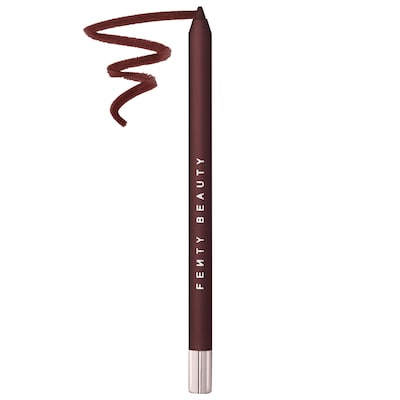
A few months ago, I tried the Fenty Beauty Lip Liner in “Brown’d Out”. This item retails for $22 and was worth every penny. It was the perfect brown, creamy, rich, and long-wearing (a solid six to eight hours). We were inseparable, that is, of course, until I tried to sharpen it, and I had to fight for my life. I then opted to remove the end and push the product up with a Q-tip. My dream lipliner had one fatal flaw. After 3 months, it was time to say “goodbye” and pick up something new.

Fenty Beauty by Rihanna - Trace'd Out Longwear Waterproof Pencil Lip Liner Brown'd Out 0.044 oz. / 1.24 g Fenty Beauty by Rihanna Trace'd Out Longwear Waterproof Pencil Lip Liner

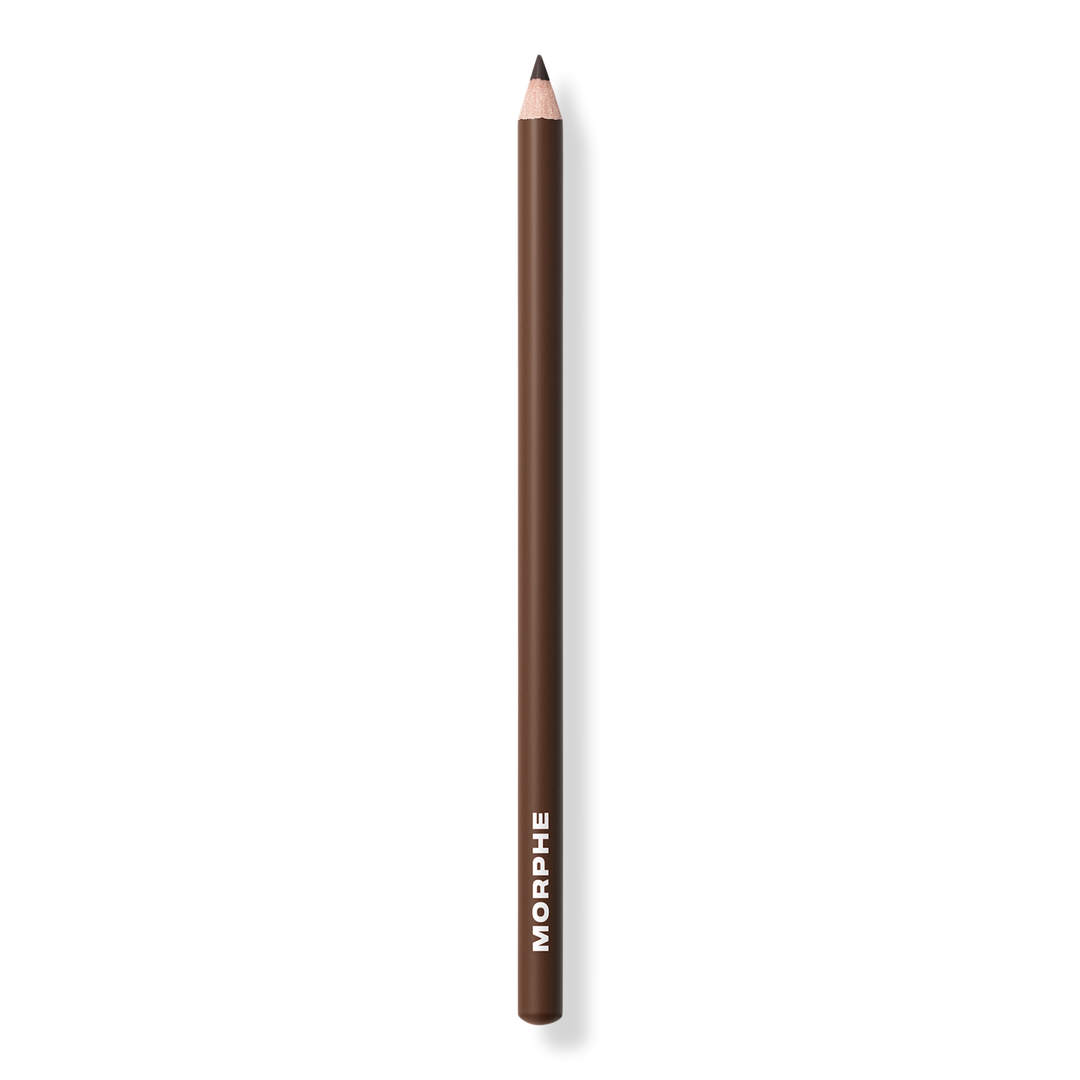
Next, I tried Morphe’s Trendsetter. It retails for $7. It’s basically a less intense version of browned out, a third of the price, and I could actually sharpen it. I liked it so much I purchased another immediately. I love this lip pencil, and I still have it and use it on certain occasions. It’s been my go-to lip liner for the last 6 months, and in that time I’ve really gotten to know the formula. This liner cannot handle lip oils or masks, think Clarins, Summer Fridays, Laneige, Essence. After about an hour under a gloss or lip oil, the edges begin to blur and lose structure. But when it’s on, it’s ON and photographs incredibly well. I would say this is a perfect on-the-go liner, amazing for overlining and full makeup looks, and I wouldn’t take it further than that.

Morphe Signature Lip Pencil #1

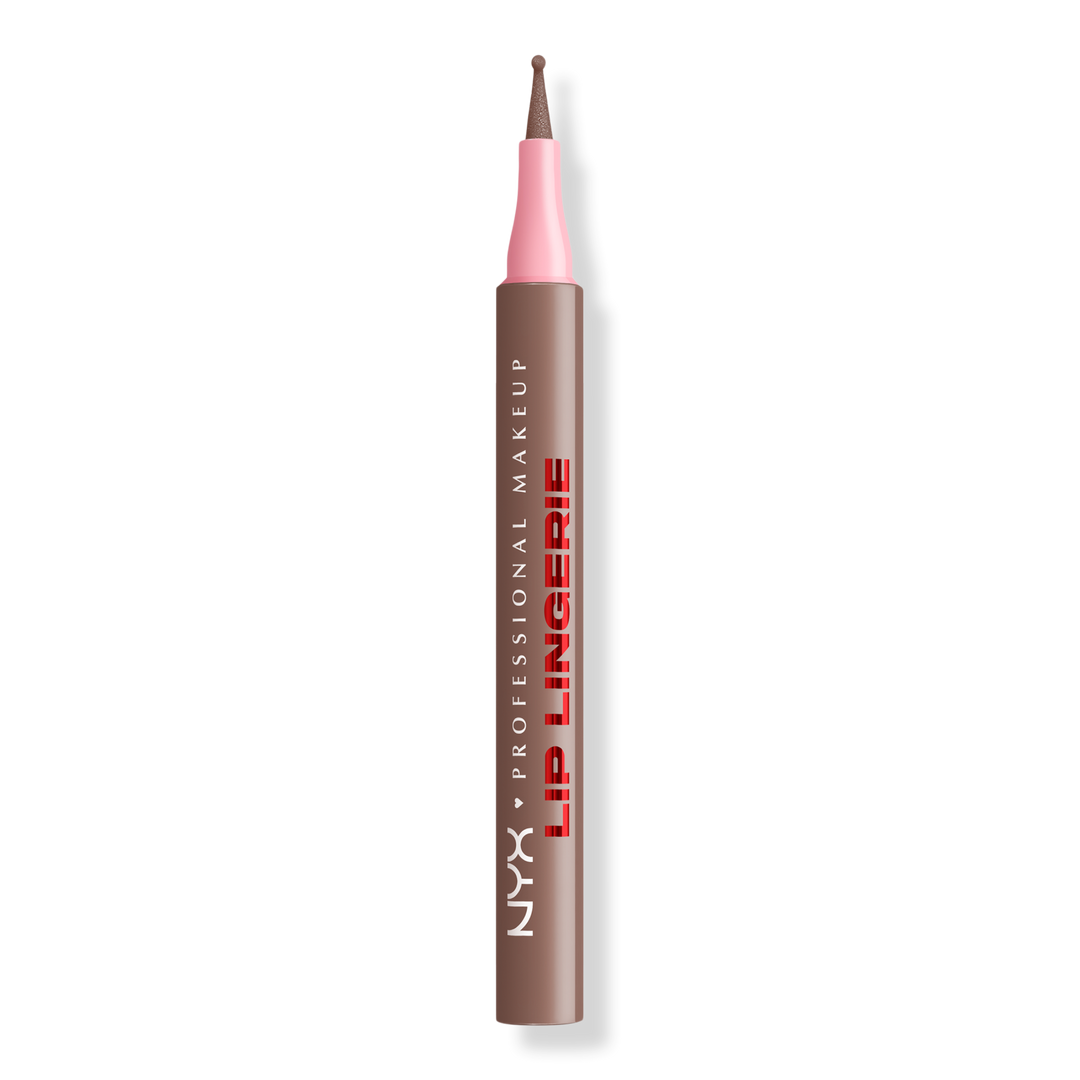
Now for my new favorite. I was heading to work, and I had a bit of extra time, so I stopped at Ulta. I wanted something less overwhelming than the Sacheu Lip Stain, with the darkness of the Fenty and the convenience of the Morphe Trendsetter, and I FOUND IT! The Nyx Lip Lingerie has a fine tip that allows for precise application, and I can get those heart lines I like. I will say if you’re an aggressive overliner, skip this. This is for precision girls only. It applies like a precision marker, no slip, no creaminess, just sharp definition, so the overline will look a bit strange. But I wanted to simply define my cupid’s bow and work within my double lip line, so this is perfect. I apply this at 9am, and it will still be on at 6pm. This liner can handle food, excessive talking, rain, snow, and the reapplication of other products such as balms, salves, masks, and oils. It’s for the busy girl, the commuter, the chronic re-applier who is tired of checking her reflection every 30 minutes.

NYX Professional Makeup Lingerie Lip Liner Stain #1

How I’ve been wearing it:

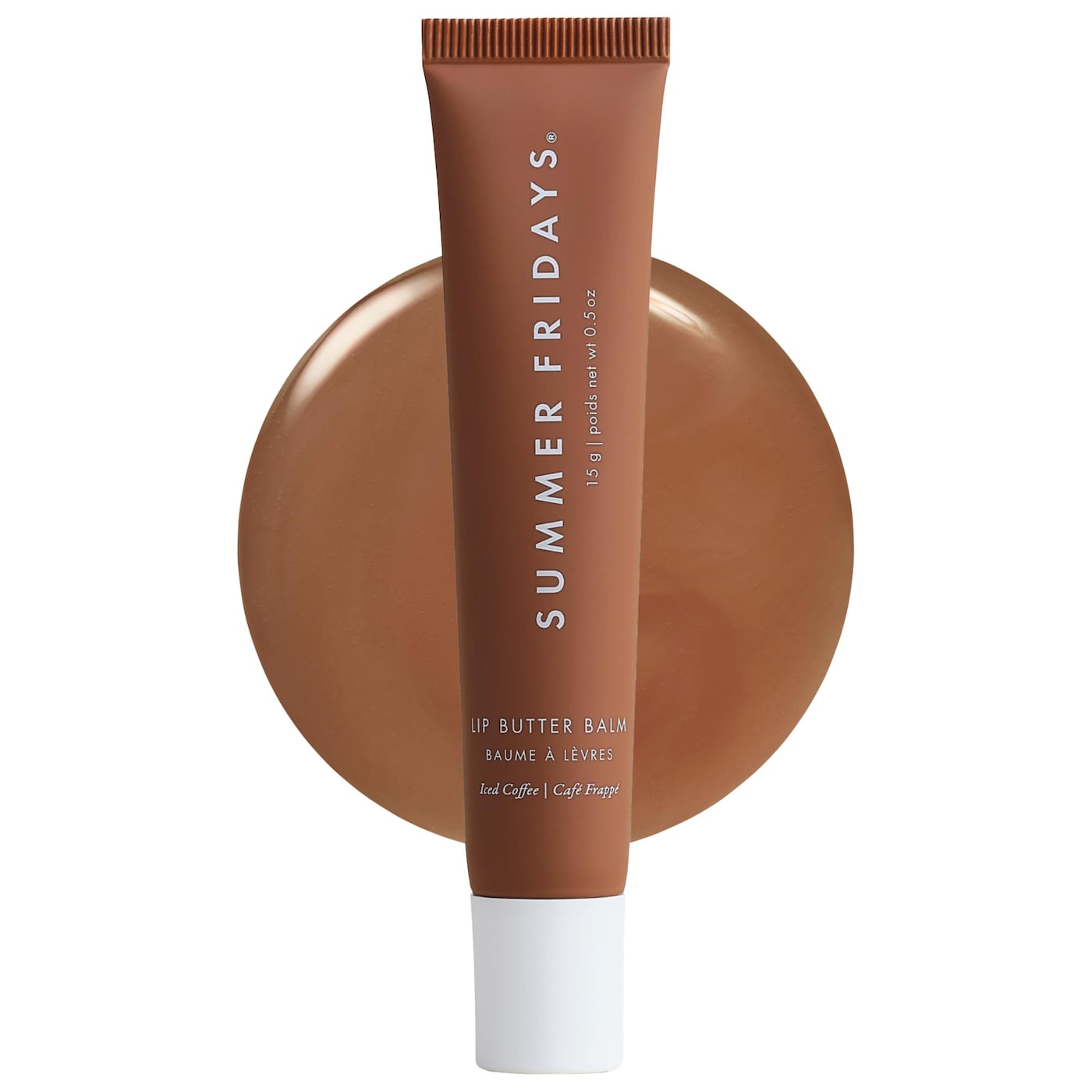
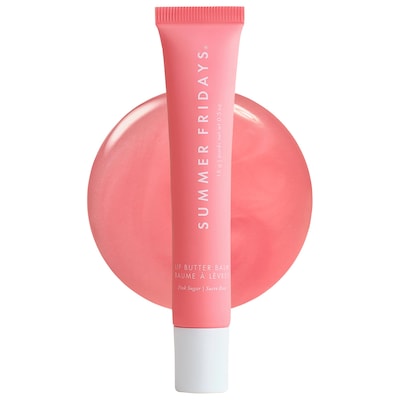
NYX Lip Lingerie ($12) + Summer Fridays ($24)

Summer Fridays - Lip Butter Balm Treatment for Hydration + Nourishing Shine Pink Sugar - sheer light pink .5 oz / 15 g Summer Fridays Lip Butter Balm Treatment for Hydration + Nourishing Shine allure 2024 Best of Beauty Award Winner

a glossy, hydrating balm that adds cushion and shine without disturbing long-wear liners.

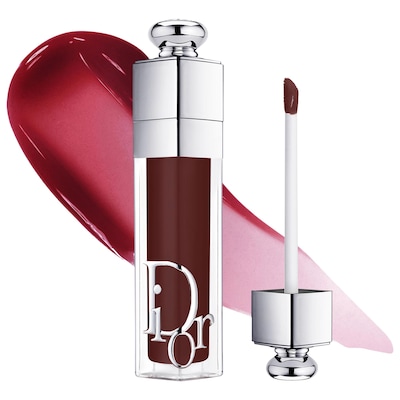
NYX Lip Lingerie + Dior Addict Lip Maximizer Plumping Gloss ($42)

DIOR - Dior Addict Lip Maximizer Plumping Gloss 020 Mahogany 0.2 oz / 6 mL DIOR Dior Addict Lip Maximizer Plumping Gloss


a high-shine plumping gloss with a luxe finish and noticeable volume boost.

NYX Lip Lingerie + Burt’s Bees  Natural Moisturizing Lip Balm, Pomegranate ($5)


a lightweight, natural-leaning finish with subtle tint and comfortable wear.

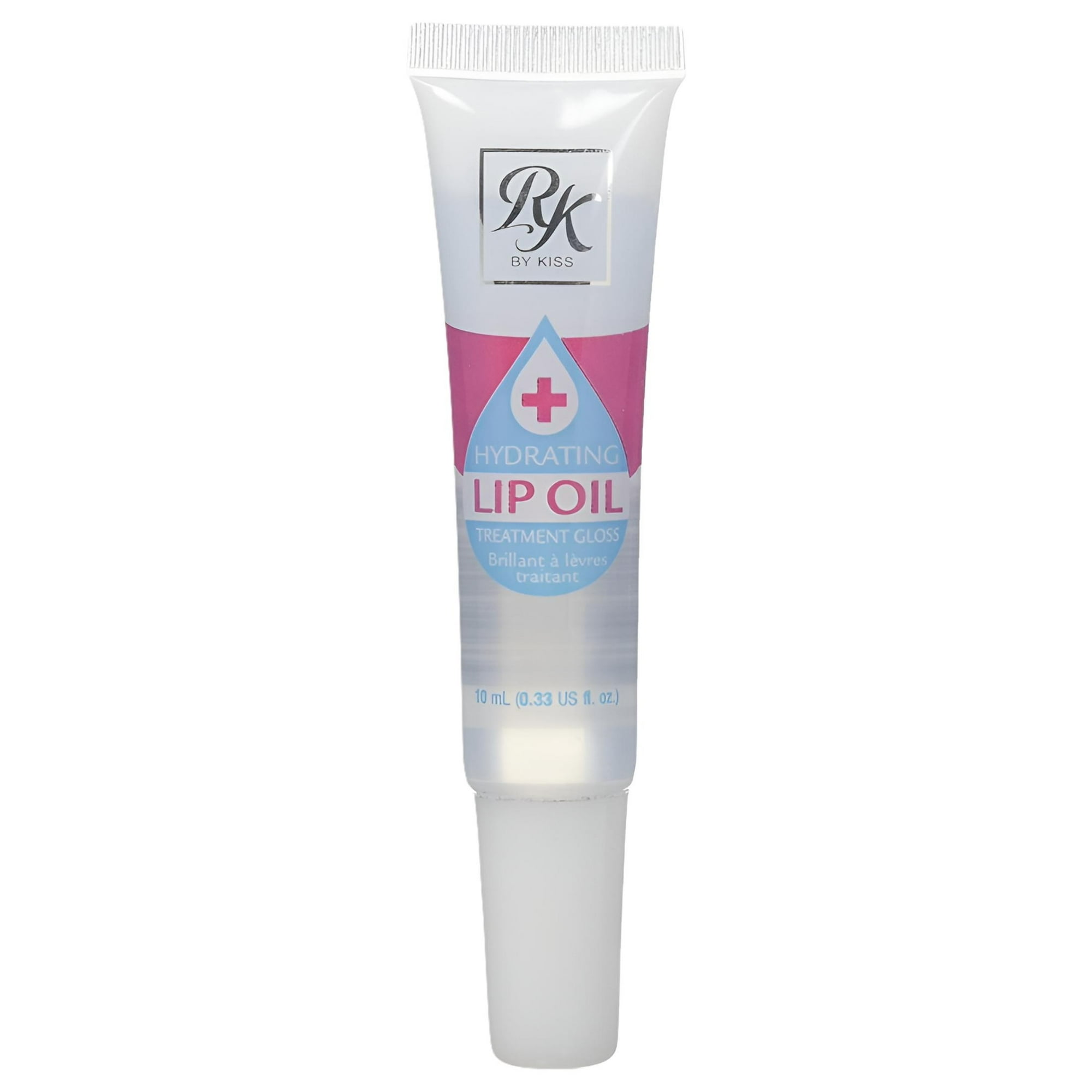
NYX Lip Lingerie + Ruby Kisses ($3)

Kiss hydrating clear lip gloss (lip oil treatment) 0.34oz

for a high-shine, budget-friendly gloss moment.

My Philosophy of Fragrance: Why Scent Speaks Louder Than Words

by Naomi Foster

To say I am a perfume enthusiast barely scratches the surface. I have explored everything from high-end classics to the most modest oils, and in doing so, I’ve come to understand fragrance as more than a surface adornment. It is an extension of the self, a subtle articulation of mood, memory, and desire.

Fragrance communicates in ways words cannot. How one smells can reveal intentions, shape perceptions, and convey a presence before any conversation begins. Some days, I reach for scents that are warm, comforting, and indulgent; other days, I seek crispness, lightness, or even an enigmatic complexity.

I am drawn to perfumes that are layered, nuanced, and lingering. They unfold over time, interacting with the body and revealing dimensions of identity that shift as we move through our day. A truly compelling fragrance is not static; it evolves, reflecting the wearer’s subtleties and contradictions.

Perfume becomes a medium of self-expression, an invisible language capable of evoking memory, eliciting emotion, and asserting individuality. Choosing a fragrance is not just about what smells good; rather, it is a deliberate act of curation, a reflection of how we wish to be felt and remembered.

In the series that follows, I will share the fragrances that resonate most deeply with me: scents that are complex, and capable of leaving a lasting impression. Think of this as an introduction to the world of fragrance as I experience it: personal, intentional, and unapologetically indulgent.

Next, I’ll share the scents that truly speak to me, the ones that feel like comfort, indulgence, and a little playful luxury. Think of it as the sweet side of fragrance.

MY TOP 10 SKIN CARE FINDS OF 2025

2025 was my year of learning about my skin. What products work, and what products simply aren’t worth the hype. In a world of oblong-shaped containers and bubble letters, I had to sift through and find products that were effective in the long term. Personally, I damaged my skin barrier terribly in the last few years, and so I was more prone to breakouts, rashes, redness, hyper-pigmentation, and irritation in general, so my goal was to repair my skin barrier and then slowly incorporate the other serums. And I must say, I have come a very long way. Even with the occasional breakout, my skin has shown significant improvement. When searching for products for both my body and face, I aimed to find quality items that were still affordable enough to repurchase. The product listed ranges from $13-$30

10. Byoma Milky Toner

On my journey to healing my skin barrier, I tried a few milky toner variants, from Laneige to Thayers to Pixi, and this is hands down the best toner I have ever applied to my skin. This toner is lightweight but packs a heavy punch, as it’s filled with barrier-repairing ceramides. I’m someone who was always at the dermatologist, and my face always felt tight after every wash. After a week of consistent use (morning and night), I noticed a significant improvement in the texture and tone of my skin. The toner works exactly as intended, hydrating the skin, and it penetrates deeply enough that the glow lasts all day. This is a skin-first product, and it can be used in your makeup prep routine, but I wouldn’t bank on it to show through 6 steps of full coverage. This toner is ideal for individuals new to skin care, and especially beneficial for those with dehydrated, dull skin. one bottle from June 2025 lasted me until January 2026, you get 5 ounces in the $15 bottle and it is still not quite done. 10/10!

9. Kiehl’s Truly Targeted Acne-Clearing Pimple Patch

A pimple patch hates to see me coming. Before discovering this product, I would go through two boxes of the Good Molecules Patch per month, which is equivalent to 120 pimple patches. Aside from being incredibly wasteful, the patches are ineffective for all types of acne. If you have a deep cystic pimple, a little patch can’t help you until it becomes a whitehead, and then you risk trapping the bacteria inside, which can make it three times worse. I needed a fast-acting spot treatment, and I found one! These Kiehl’s drops are essentially just a liquid pimple patch. It goes on clear and dries tacky after about 6 hours; the spot should be reduced in size and ultimately dried out. Because it’s clear that you can use it day or night, the shine will be more noticeable the larger the spot is, but it beats walking around with a full pimple patch. One last disclaimer: this product is very strong, so apply it no more than twice a day, morning and night, to avoid burning or overdrying the area. For $30 you get a lot of product, because one drop goes a long way. 9/10!

8. Weleda Skin Food Ultra Rich Moisturizer Cream

Weleda Skin Food Ultra-Rich Moisturizer Cream - 2.5 fl oz, 1 of 21

This product is unavoidable. I finally got tired of seeing it and purchased the moisturizer during a Whole Foods Sale. I rushed home to try it and was not disappointed. The first thing I noticed was the scent, it’s like a luxurious vegetable aroma, or like a hotel hand soap. I was worried about using a product with fragrance, but it does disappear after a few minutes, and apparently, the ingredients that give it that initial smell. Next is the texture. This is an incredibly rich, thick cream-like hand cream. if you’re soemone with acne prone ski or your pores clog easily I woud be mindful of how much you apply at once and maybe consider the Weleda Skin Food Ligh ( i will def switch in spring/summer). When I bought it, I didn’t know that there were other variations. All of that to say, I do love this product, especially for the fall and winter time. It’s great for daily use and aids in barrier protection repair. Also, this pairs well with the byoma toner. 9/10!

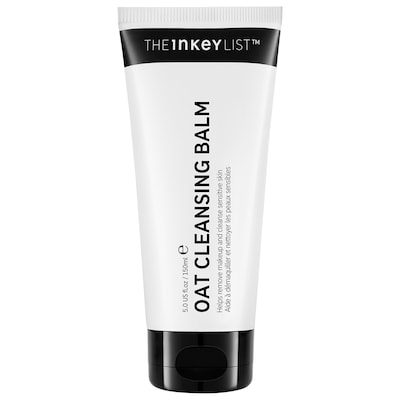
7. Inkey List Oat Cleanser

The INKEY List - Oat Makeup Removing Cleansing Balm 5 oz/ 150 mL The INKEY List Oat Makeup Removing Cleansing Balm Clean at Sephora

An absolute staple in my night routine! This product has no irritants or fragrance, so I can use it with eye makeup without worry. My favorite aspect of this product is its effectiveness. It’s one step, and you’re done. I dislike how micellar water requires a cotton pad or another item to actually apply the product. With the Inkey Oat, I just work the product into my face using my hands, and it breaks down EVERYTHING, including SPF, waterproof tubing mascara, any lip combo, brow gel, all of it gone after 30 seconds, and then you can rinse it right off and follow up with a regular face wash. On a no makeup day, I will still use it, and it does a good job of removing the gunk from the pores. For $13, I get 5 ounces, which can last me for about 3-4 months each time. Absolutely worth it. 10/10!

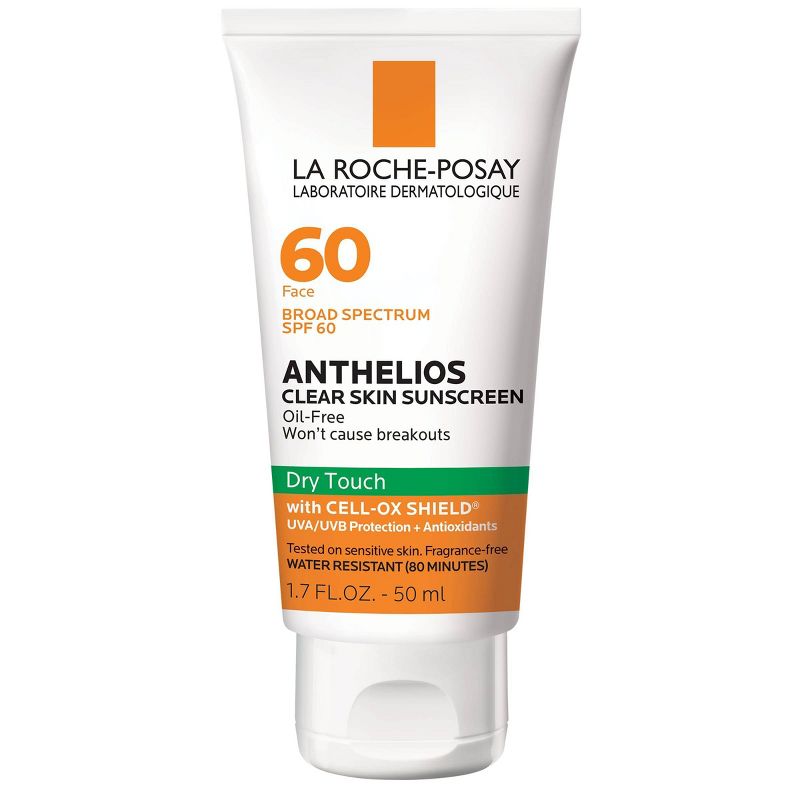
6. La Roche-Posay Anthelios Clear Skin Dry Touch Sunscreen SPF 60

La Roche Posay Anthelios Clear Skin Dry Touch Face Sunscreen for Acne Prone Skin - SPF 60, 1 of 13

In addition to healing the skin barrier, I also wanted to work on my hyperpigmentation. Any skin specialist or dermatologist will tell you you need some kind of SPF daily in order to achieve either one of those things. Prior to finding this, I hated SPF, and it was definitely my least favorite step. This SPF is light enough that you don’t feel it, and there is absolutely no white cast. I apply it right after my moisturizer, and that way I keep the glowy look and still get the protection I need. I will say that the La Roche-Posay Anthelios Mineral One LSF 50+ is my all-time favorite, but I wanted to try a cheaper alternative still within this brand, and I am satisfied with this as a substitute. This SPF is $21, and it lasted me an entire year, and that’s with daily use on face, neck, and chest. 10/10!

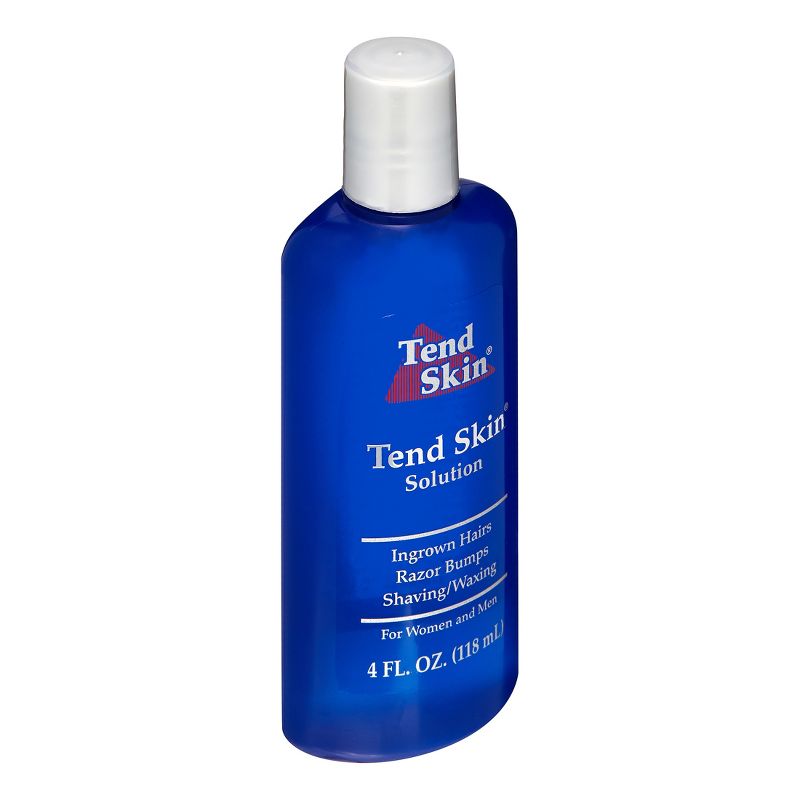
5. Tend Skin

Tend Skin Solution - 4 fl oz, 1 of 7

If you’re someone who waxes or shaves regularly, this should be part of your routine. I discovered this product 5 or 6 years ago, but I wasn’t consistent with use, so I would consider this a rediscovery. This eliminated ingrown hairs and any sort of texture from those areas. I used to use it only after my initial hair removal, every 4 weeks. Now, I’ve upped it to every day in summer or every other day in winter, and it allows me to maintain smooth results. It does have a very alcoholic scent, but that goes away after about an hour. It costs $20 for 4oz, and the product lasts approximately 2.5 months with daily use. Because this product works so well, I would say the price is worth it, and using it 3 nights a week will make it last longer, if you could get the 8oz. 10/10!

4. Cetaphil SA Face Wash

Cetaphil Exfoliating Salicylic Acid Cleanser - 8 fl oz

HOLY GRAIL FOR ACNE! Anything with salicylic acid is bound to treat acne in some way. This wash is strong and effective, results within a few days Even though the packaging says sensitive skin I would be mindful about how often you use it. Twice a day, at most, but I think one application is enough, so you don’t risk over-drying the skin. I think this is the perfect everyday wash to keep acne at bay. And if you do have a breakout, it helps reduce redness and irritation. That said, I took a month off from using this product after using it for 5 months straight, and my skin didn’t appreciate that. I found that my acne was a bit harder to manage, and my skin has grown accustomed to it. Now I use a hydrating cleanser in the morning and salicylic acid at night, and my skin handles it well. 9/10!

3. Belif The True Cream Aqua Bomb

I came across this wash in TJ Maxx, looking for something completely separate, and now this is a non-negotiable part of my makeup prep. This water cream is the perfect gel moisturizer. You get the dewy look without the heavy. This reminds me of the ELF Hydrogrip primer, but with nutrients for your skin. This comes after toner and before primer, allowing each product to adhere to the skin. It uses this in place of the Weleda if I’m going for a more full-coverage look. One more thing to add I would not get this too close to the eye if you are sensitive in the area but everywhere else it works as intended. 8/10!

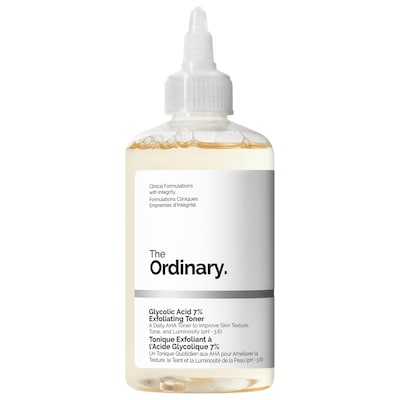
2. The Ordinary Glycolic Acid 7%

The Ordinary - Glycolic Acid 7% Exfoliating and Brightening Daily Toner 8 oz/ 240 mL The Ordinary Glycolic Acid 7% Exfoliating and Brightening Daily Toner

This toner started popping up on my fyp a few months ago with claims that it helped reduce hyperpigmentation and also stopped body odor. My main concern was hyperpigmentation, and I can say it helps with brightening and improving texture. As someone who already has active ingredients in my routine, I found that this was too much for my face, but I wasn’t about to throw away a product, so I started using it on my chest and under my arms, and I am impressed. Instead of my Dove spray deodorant after a night shower, I pat this into my underarms, and there is no smell. However, it does make the areas feel a bit tacky, but because I use it before bed, it doesn’t bother me too much. As for the lighting, it takes time, but after about a month and a half of consistent use, the difference is very noticeable. 8/10!

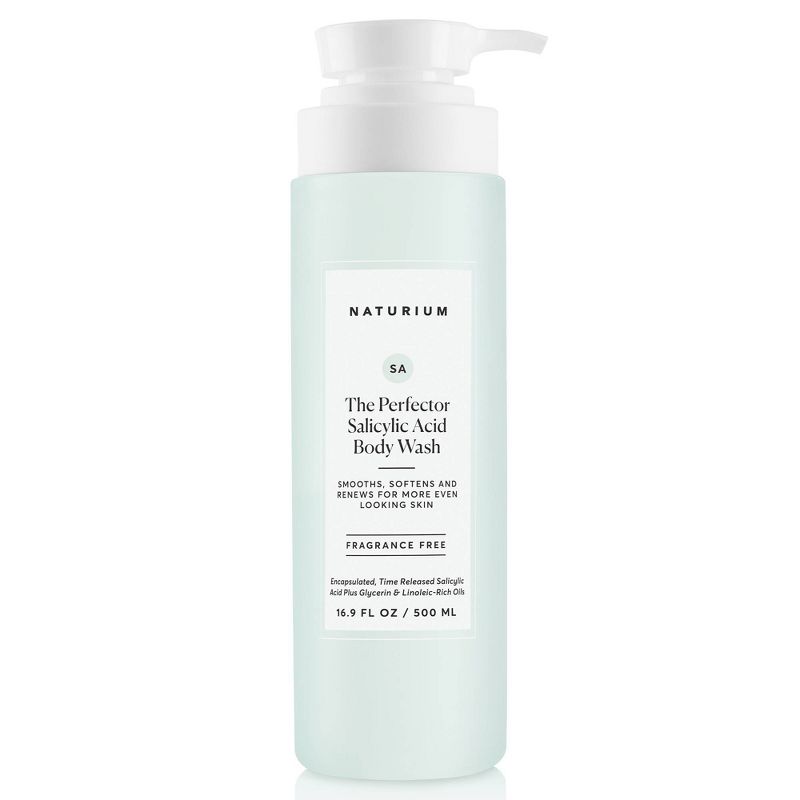
  1. The Perfector Salicylic Acid Body Wash
Naturium The Perfector Salicylic Acid Skin Smoothing Body Wash - 16.9 fl oz, 1 of 17

Just buy it. I cleanse first with a regular sensitive skin body wash and then follow up with this a few times a week, and it has made a world of difference. I don’t struggle with body acne too much, but the occasional chest pimple or back pimple can occur. This product can be a bit pricey if you intend to use it every day. For me, I would go through two a month, and that’s not happening. So I use this product selectively when I know something could cause a breakout, like after a wax, wash day, sweating, or exposure to more germs than normal. I typically let it sit on my skin for 2 minutes post-lather to make sure it all gets in, and I have a lot of success with this wash. 10/10!